our work
37 Years of
Coalition Infrastructure.
What USCAN does, why it matters, and where the movement is going. The full case for why coordination is the most consequential climate strategy of our time.
What USCAN does, why it matters, and where the movement is going. The full case for why coordination is the most consequential climate strategy of our time.
Our mission is to urgently drive bold and equitable climate action by fostering collaboration among a diverse network of organizations and providing resources to accelerate collective impact from the local level to the global scale.
Doing this, we believe, will move us closer to our vision: a resilient and sustainable future where all people and ecosystems thrive.
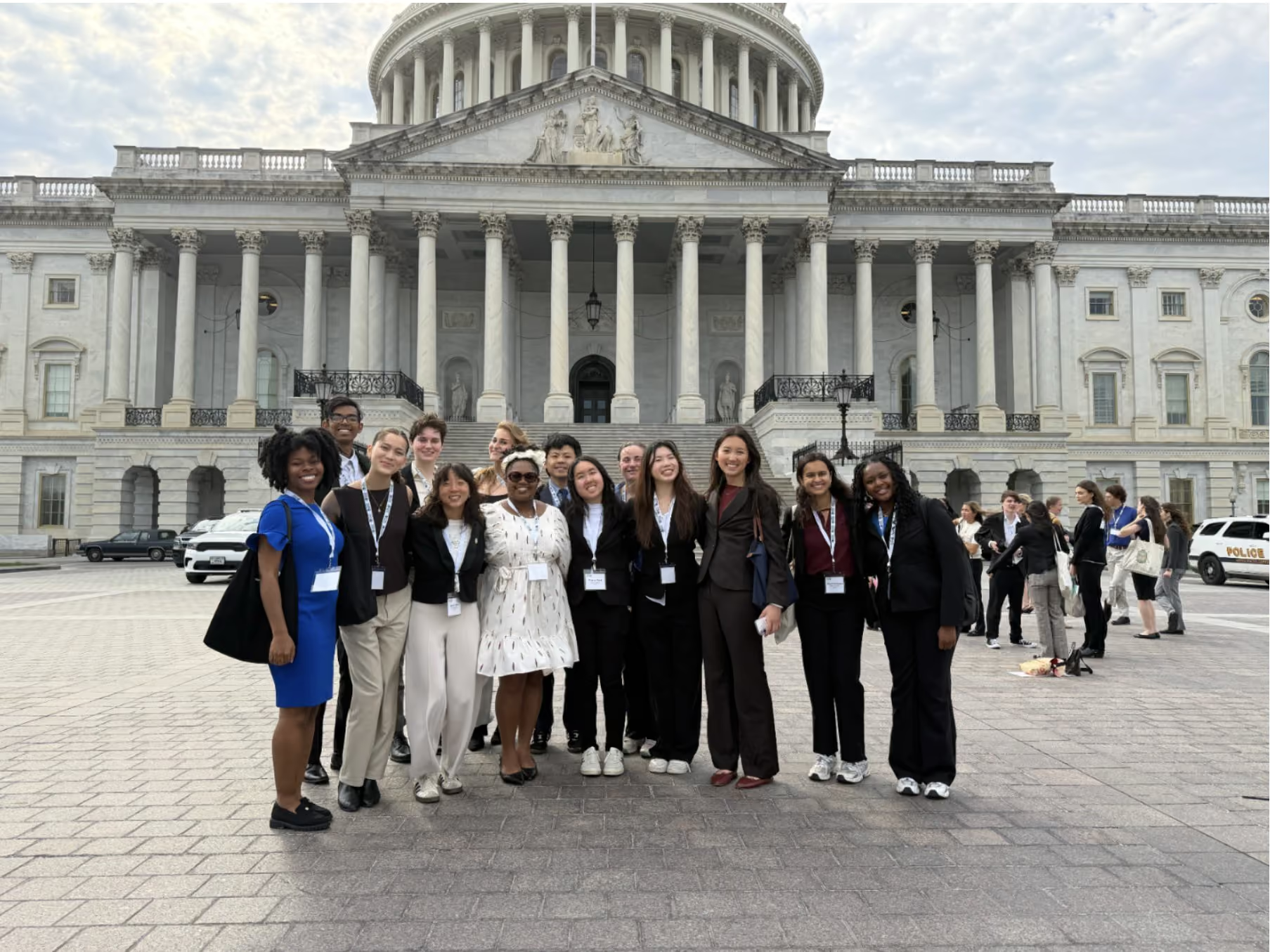
We bring member organizations together across issue areas and geographies, turning 175+ independent voices into one unified movement with shared strategy and collective power.
$3M+ in catalyzing grants deployed directly to member organizations doing frontline and collaborative work. We fund the essential infrastructure that makes individual organizations more effective simultaneously.
From Capitol Hill to UN negotiating tables, we ensure frontline, grassroots, and Indigenous leaders have the platform to speak for themselves in the rooms where decisions are made.
USCAN was founded in 1989 with a simple premise: that climate organizations working in coordination would be more powerful than climate organizations working alone. That premise has been proven, repeatedly, over 36 years.
From the early days of U.S. climate policy to the Paris Agreement to COP29 in Baku — USCAN has been in the room, representing the full spectrum of the U.S. climate movement at every major inflection point.
In 1989, organizations from Europe and the United States came together to forge a loose yet official network named the Climate Action Network, dedicated to tackling the pressing challenge of global climate change. This alliance set the stage for a collaborative effort that would shape climate negotiations and both international and domestic action.
A dynamic coalition of state-based organizations emerged to sway national priorities and advocate for the Kyoto Protocol. USCAN experienced a surge in membership and broadened its scope to include state and local groups. USCAN amended its bylaws so half of its Board of Directors would represent local organizations and half would represent national and international entities.
In 1989, organizations from Europe and the United States came together to forge a loose yet official network named the Climate Action Network, dedicated to tackling the pressing challenge of global climate change. This alliance set the stage for a collaborative effort that would shape climate negotiations and both international and domestic action.
USCAN rapidly expanded from 80 member organizations in 2013 to 160 by 2016. Under new Executive Director Keya Chatterjee, the organization shifted focus from building a larger network to deepening connections and alignments among members to achieve greater collective outcomes.
USCAN adopted a new mission built around two goals: democratic participation — transitioning to a member-driven model where members vote on collaborative priorities — and trust, organizing peer learning and relationship-building activities to enable open communication and collective action.
The COVID-19 pandemic and the murders of George Floyd and others underscored systemic racism and inequity. USCAN adapted operations to prioritize member safety, redirected funds to support grassroots efforts, and began offering anti-racism training to help members understand how systems of oppression shape climate work.
In the wake of January 6, USCAN deepened its commitment to racial and economic justice. The network endorsed the Fossil Fuel Non-Proliferation Treaty and the Clean Electricity Standard, fostering shared leadership within Action Teams focused on advancing justice.
The passage of the Inflation Reduction Act marked a pivotal moment. USCAN members collaborated to secure federal IRA grants for renewable energy and climate resilience. At COP, USCAN contributed to CAN International's success on "Loss and Damage" — a historic outcome for frontline communities.
Dr. Ife Kilimanjaro was appointed Executive Director in February 2024. USCAN launched two major campaigns, awarded over $500,000 in grants, and coordinated over 60 members at COP28. In September, USCAN members joined 75,000 activists in NYC for a major climate mobilization. USCAN continues to amplify frontline voices in global climate negotiations.
The USCAN Strategic Plan 2025–2030 sets the agenda for the most consequential five years in the history of the U.S. climate movement. Five priorities. 175+ organizations.
The plan was developed in coordination with member organizations and reflects the collective priorities of the network. It is a public document — shared here in its entirety.
The plan was developed in coordination with member organizations and reflects the collective priorities of the network. It is a public document — shared here in its entirety.
Advance federal and state climate policy that centers frontline communities, Indigenous rights, and environmental justice in every legislative and regulatory moment.
Strengthen the connective tissue of the U.S. climate movement — the relationships, shared resources, and coordination mechanisms that make the network more than the sum of its parts.
Ensure U.S. grassroots and frontline organizations have a seat at international climate tables — including UN negotiations, COP delegations, and global policy forums.
Deploy catalyzing grants and coordinate resource sharing across the network — directing funding toward the organizations doing the most essential work with the least support.
Build a shared communications infrastructure that amplifies member organizations, tells the story of collective climate action, and shifts public understanding of what the movement is and who it serves.
The complete 2025–2030 Strategic Plan is available as a PDF download.
Download the Full Plan