Just Transitions
THE OFFICIAL JOURNAL OF THE U.S. CLIMATE ACTION NETWORK · EST. 1989

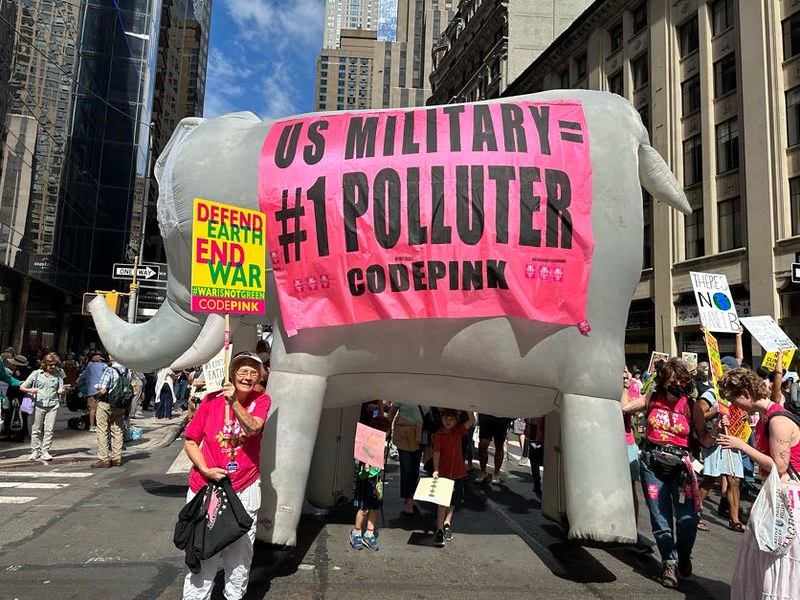
The U.S. military is the world’s #1 institutional polluter. The Pentagon budget is where our struggles to create a just, equitable, and rapid transition and to confront some of the worst elements of climate and environmental destruction globally can meet.
The US Environmental Protection Agency‘s Administrator Lee Zeldin has “betrayed” the agency’s core mission and set a “dangerous” agenda that is hurting public health and the environment, according to an open letter calling for Zeldin’s firing.
The letter, signed by 163 local and national environmental and health organizations, says Zeldin must be held accountable for his actions.
“No EPA administrator in history—Democratic or Republican—has so brazenly betrayed the agency’s core mission. EPA’s foremost purpose is to protect human health and the environment. With Administrator Lee Zeldin at the helm, EPA has abandoned its mission, creating damage that will take decades to address,” the organizations, which include the Sierra Club, Earthjustice, Public Citizen and the US Climate Action Network, said in the letter.
A coalition of 200 pressure groups is calling for a moratorium on new data centers in the US.
The group, led by national environmental organization Food & Water Watch, has written a letter to Congress calling for a ban on the approval and construction of data centers.
It cites what it describes as “massive and unsustainable consumption by data centers of energy and water resources, and skyrocking utility costs for families and small businesses," as reasons a ban is needed.
Signatories include the US branches of Greenpeace and Friends of the Earth, as well as the US Climate Action Network and dozens of regional and state organizations.
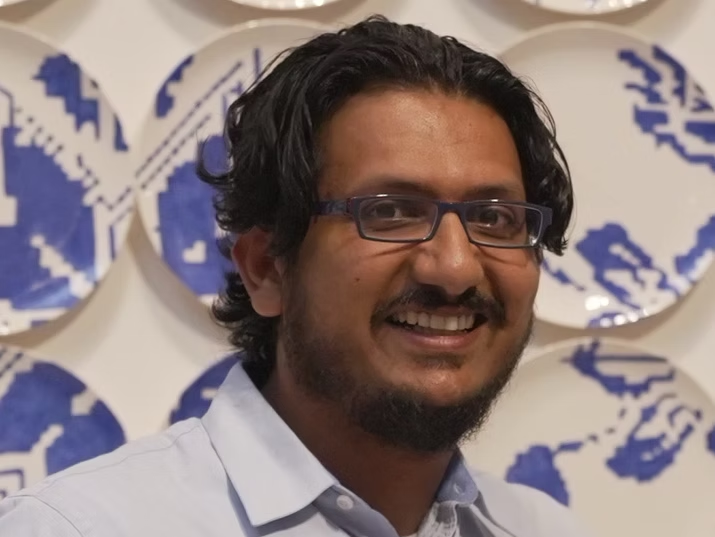
Often, philanthropic funding allows networks to provide services to members at little or no cost. That’s a boon for leaders like Anthony Diaz, executive director of the Newark Water Coalition.
“I’m so in the trenches,” says Diaz, “that sometimes all I can see is the trench.” But after joining the 190-member U.S. Climate Action Network, Diaz can access technical, legal, and tactical expertise to supercharge his work at the local level.
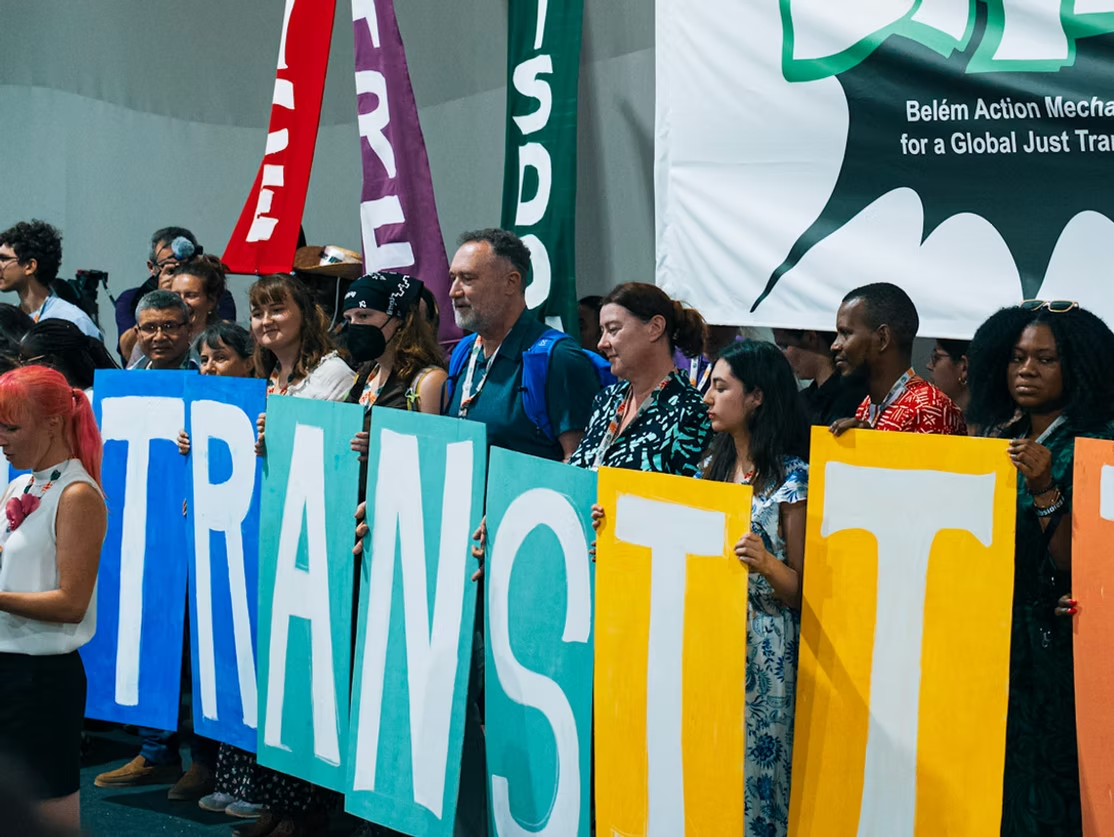
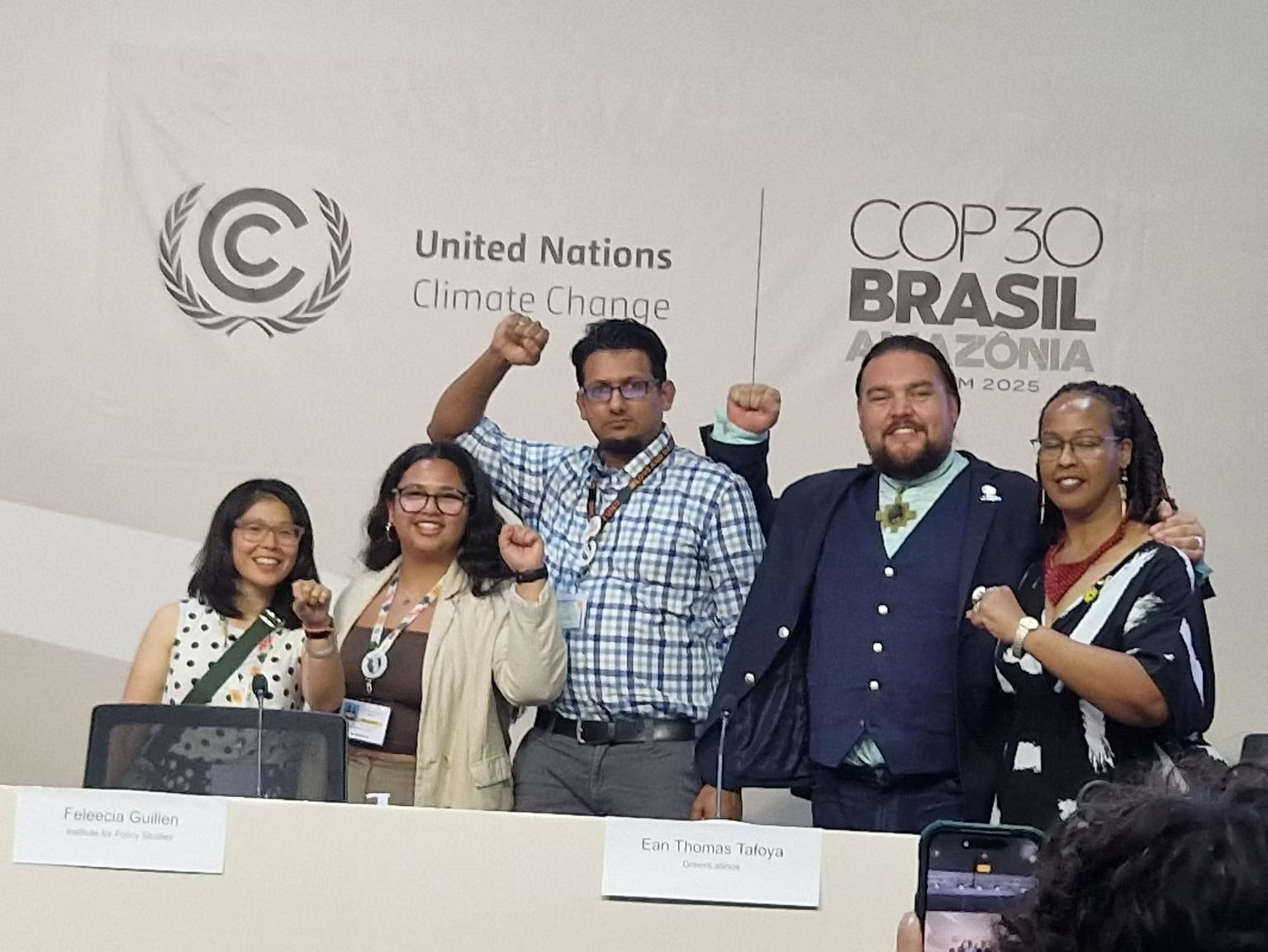
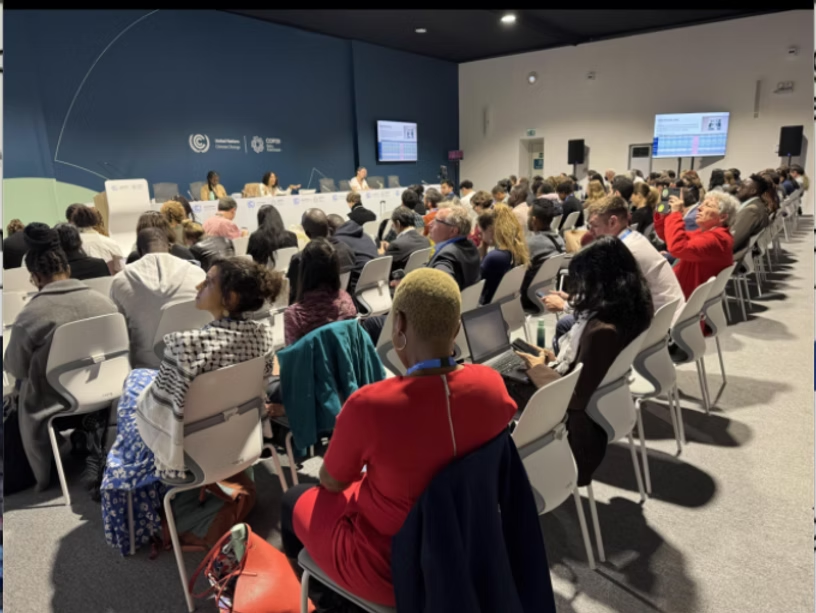
“While we welcome strengthened provisions on the Just Transition Work Program, these wins at COP30 are decisively tempered by the disappointing omission of any reference to fossil fuels in the final text,” Ife Kilimanjaro, executive director of the US Climate Action Network, said in a press release. “Failing to name and address the climate crisis’ root cause undermines the credibility of the entire process.”
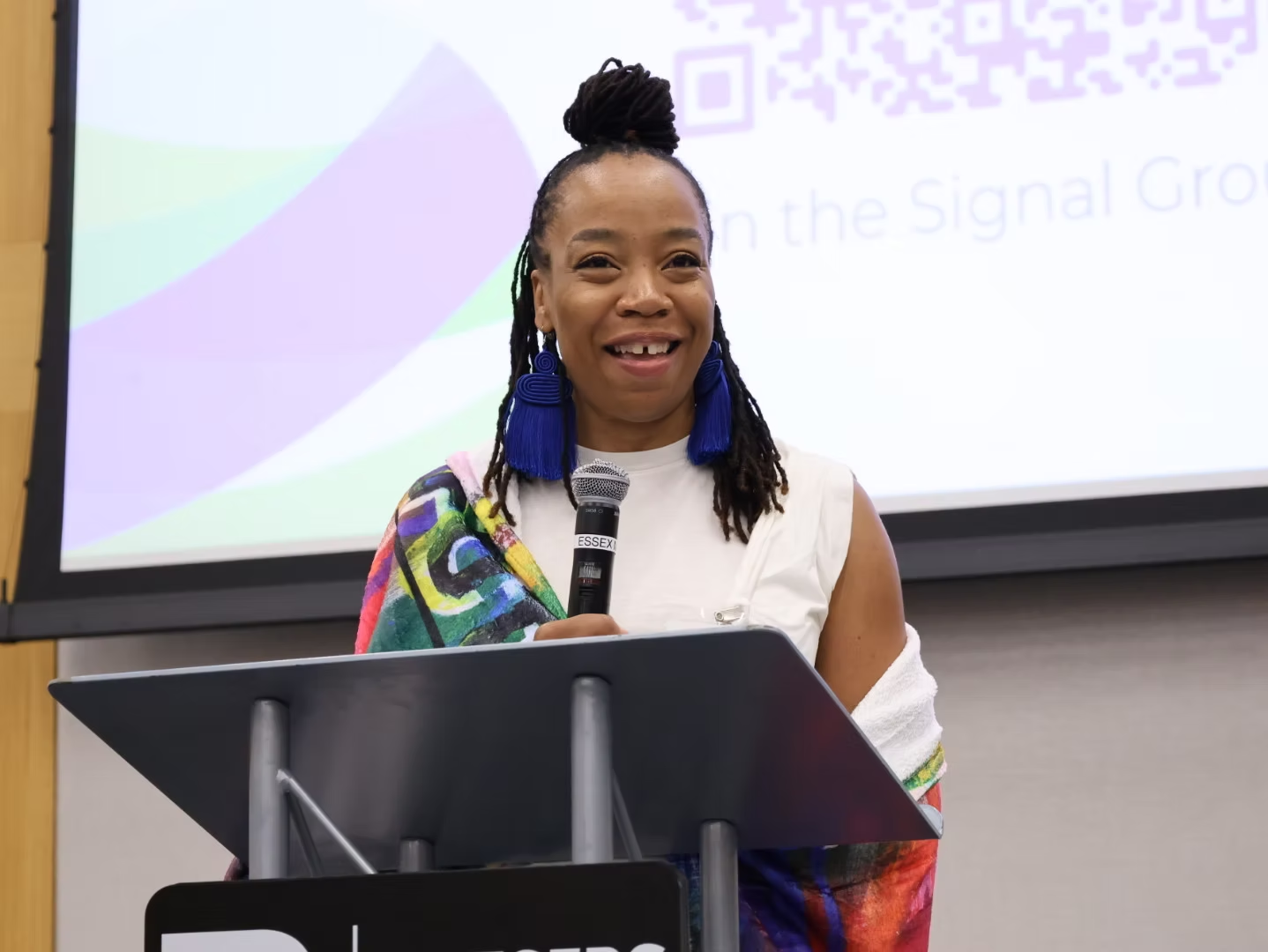
“The sheer numbers are horrifying,” said Ife Kilimanjaro, executive director of the non-profit US Climate Action Network, which works with groups around the world to combat the climate crisis.
“But for us they’re more than numbers,” she added. “These are people with lives, with families, with hopes and dreams. They are people like us, even if they happen to live in a different part of the world.”
Also in: ProPublica, Bill McKibben's The Crucial Years
“What I’m hearing is folks from the Global South are upset, and rightfully so. And they’re also saying, ‘Hey, the biggest blocker and the biggest bully isn’t in the room. Let’s see what we can get done while they’re not here.’"
— Analyah Schlaeger dos Santos, co-chair of the international policy committee of the U.S. Climate Action Network
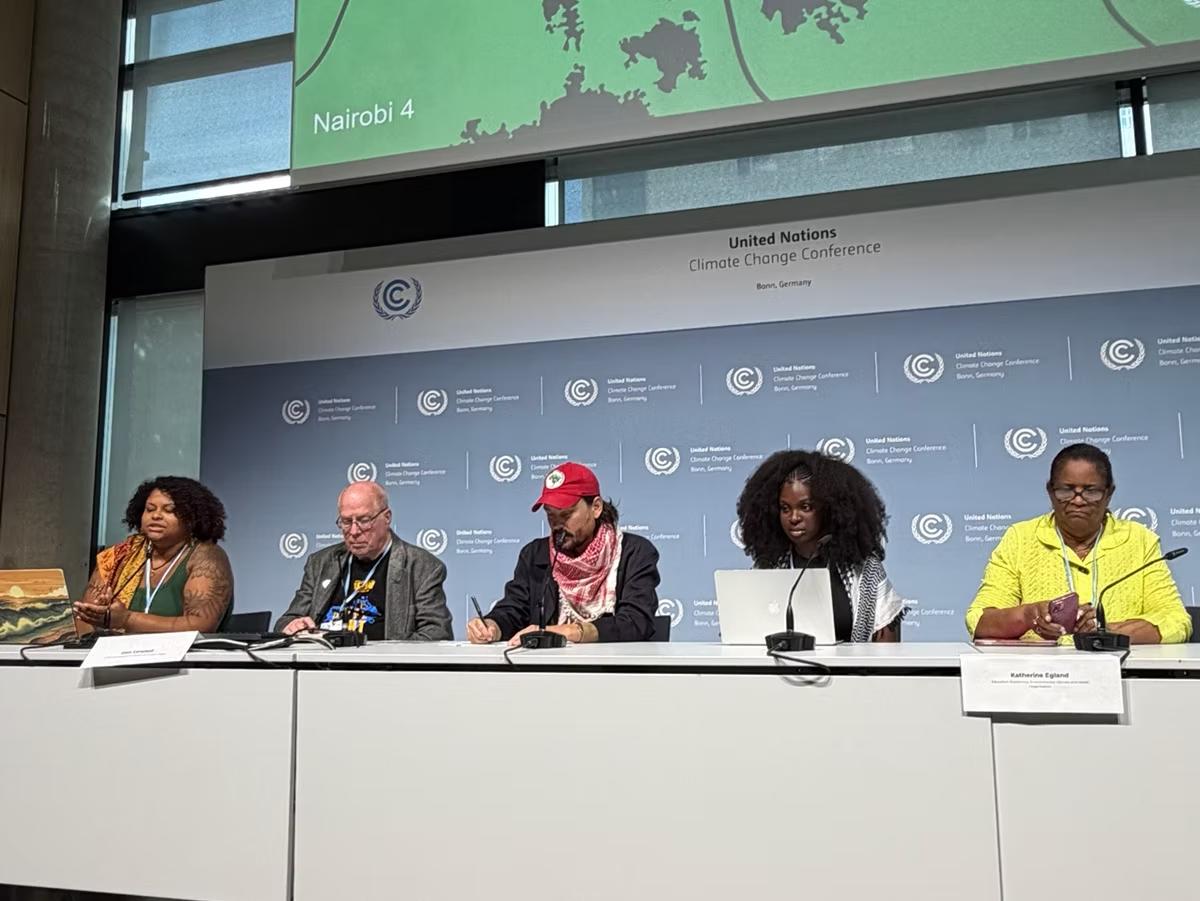
Civil society has a crucial role in the global conversation right now, said Analyah Schlaeger dos Santos of Minneapolis. She is at the Bonn talks representing the U.S. Climate Action Network, an advocacy group for which she is co-chair of the international policy committee.
“The first COP ended just a few hours after I was born,” she said. “Elders often don’t understand that, for people our age, the climate crisis, and all the related political and social tensions have been part of our entire life.”
It is frustrating and perplexing that the world and its major economies haven’t decisively tackled the visible problems of a warming planet, she said.
New dispatches from the people building what comes next.




.avif)