This blog post is co-authored with Kate Yeo, USCAN Policy and Communications Coordinator.
It’s official: the Trump administration will not be sending a federal delegation to COP30.
COP30, taking place November 10–21 in Belém, Brazil, marks three decades of global climate negotiations. For the first time ever, the United States will be absent from the table.
But while Washington retreats, the rest of the world moves forward. The U.S. has consistently been a bad faith player in international negotiations, from watering down the Kyoto Protocol in 2004 to centering the greenwashy term “unabated fossil fuels” at COP28. This is a critical moment for others to step up where the U.S. has failed.
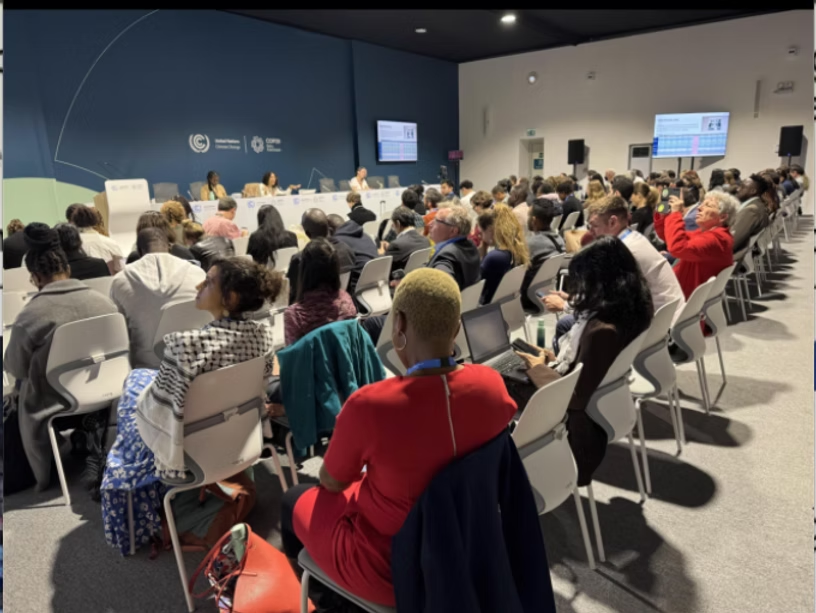
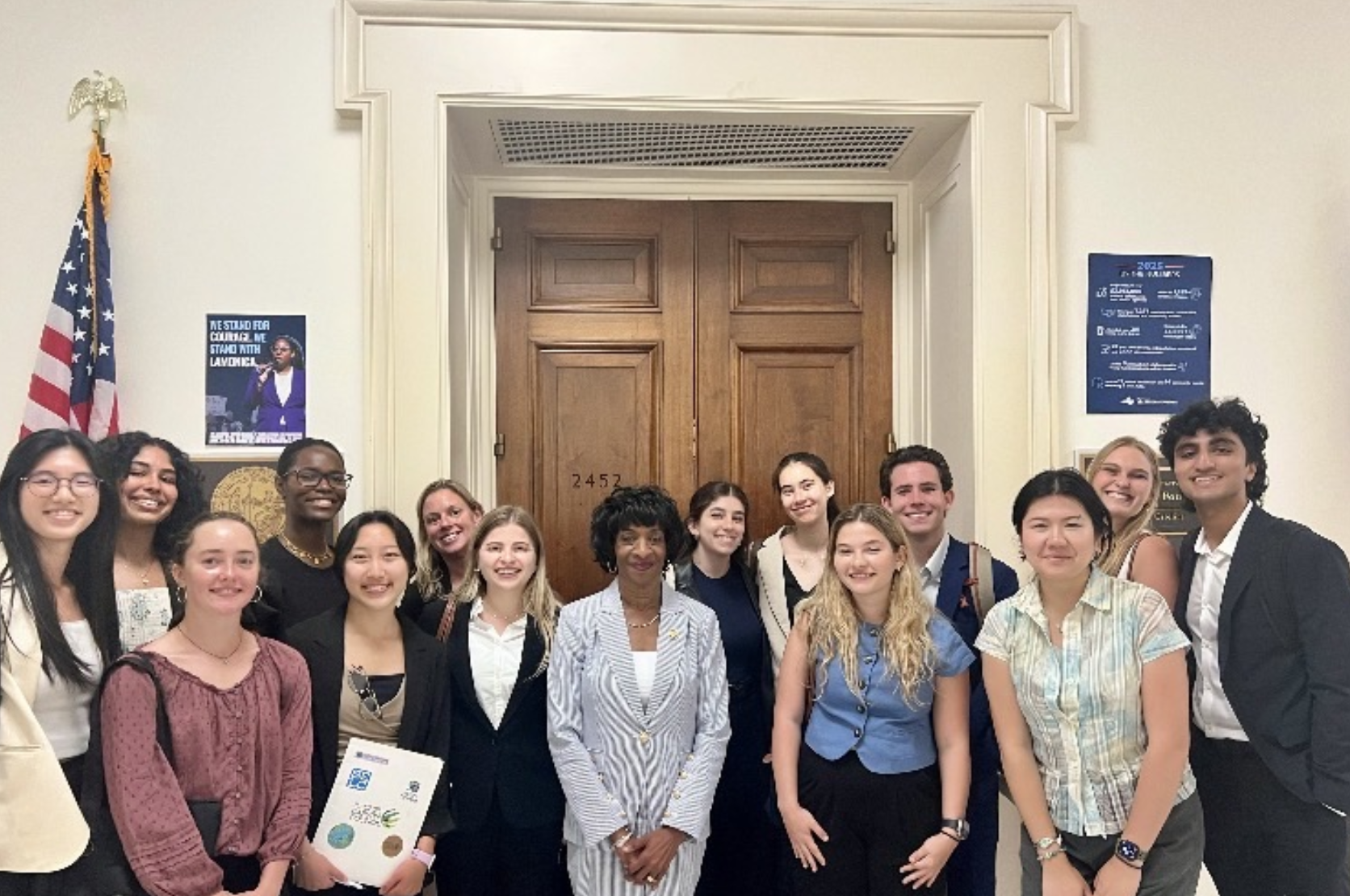
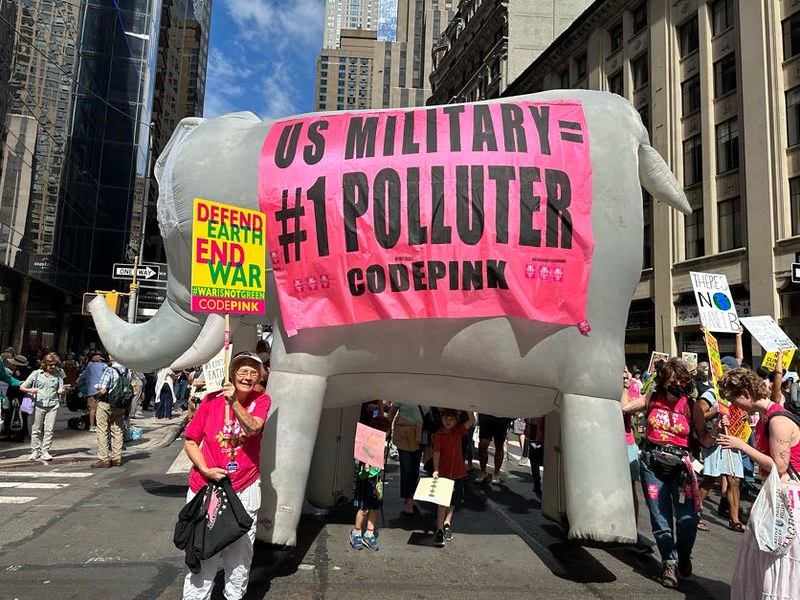
The U.S. Climate Action Network and our allies across U.S. civil society will be in Belém. We are still here and fighting back. And we want the world to know that the American people are actively resisting Trump’s deadly agenda back home by continuing the fight for a just and liveable future.
At COP30, we’re calling for a united stand against fossil fuel authoritarianism:
The Trump administration is, deplorably, trying to undermine other countries’ climate goals, including through threatening sanctions, tariffs, and visa restrictions. We urge global governments not to kowtow to U.S. pressure.
This is a moment to collectively raise ambition. Countries can do so at COP30 by achieving progress on:
A new analysis by the Center for Global Sustainability shows that the U.S. could still significantly cut its emissions by 2035 with ambitious climate action from state, city, and local governments, combined with renewed federal engagement after 2028. Our 2035 NDC is still within reach.
The tools exist: today, wind and solar are now the cheapest sources of power. Local leaders have a critical opportunity to advance clean energy, create jobs, and lower costs for your constituents.
We urge every U.S. representative in Belém to call for a full fossil fuel phaseout and to reject false solutions.
In case you’re wondering what might be a false solution, USCAN’s COP30 factsheet has you covered: bit.ly/uscancop30.
Trump’s approval ratings are well below the historical norm at this point in his presidency. Meanwhile, the recent election results show that many Americans are eager for change and accountability. They want leaders who are willing to champion clean energy, take on the powerful and wealthy, and fight for working people.
America’s people want climate justice, democracy, and a livable future. And we’re showing up to fight for it.
Read USCAN’s full COP30 fact sheet and demands here: bit.ly/uscancop30.





.jpeg)