Climate Week, COP, and many international climate events evoke similar reactions from many of us in the climate movement—one of pessimism and reluctance, with the silver lining of meeting those in person whom we normally only see on Zoom. And yes, if we measure the success of these events by plenaries and negotiation outcomes, our pessimism can certainly be justified. But when we address the Elephant in the Room, there’s a different set of metrics, and a different range of potential that New York Climate Week can hold.
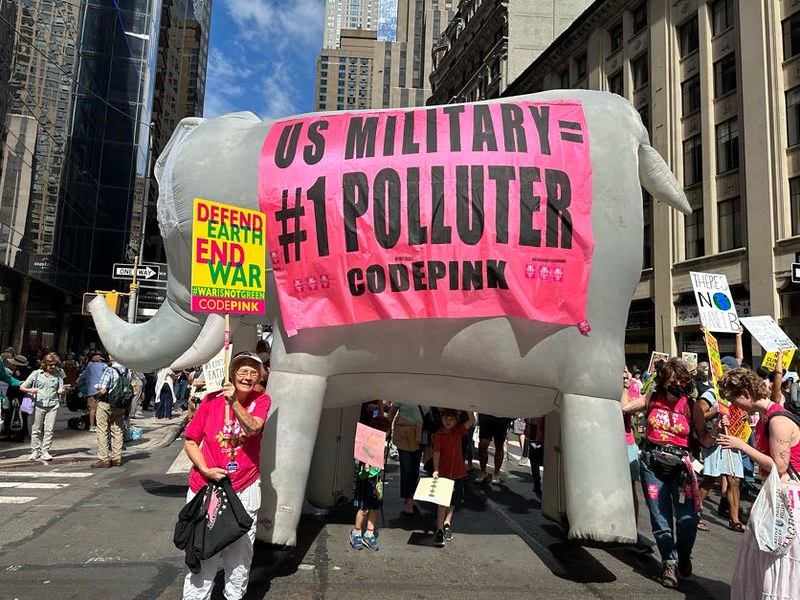
For years, CODEPINK has brought a giant inflatable elephant to Climate Week. The elephant is commentary on the position of war and militarism in climate conversations — it has often been avoided and swept under the rug. During the development of the 1997 Kyoto Protocol, the U.S. lobbied to exempt military emissions from being tracked. Still, the environmental impact of war has never been hard to see. When CODEPINK’s founders traveled to Iraq and Afghanistan in CODEPINK’s early years, they saw the result of this all-out assault on life: farmers were unable to grow crops, miscarriages were on the rise, and more and more birth defects were observed.
The impact of war on the climate crisis largely wasn’t documented quantitatively until the Brown University Cost of War project’s 2018 study detailing the true environmental cost of war. The data doesn’t lie: the U.S. military is the world’s #1 institutional polluter.
Between 2001 and 2017, the oil-motivated “War on Terror” produced 1.2 billion metric tons of carbon dioxide, while, of course, entrenching the influence and extractive power of the Western oil industry in the region for decades. This figure is based purely on the barrels of oil consumed by the Pentagon — it does not even account for emissions of blocs like NATO that are controlled by the U.S., joint-training exercises led by the U.S. like RIMPAC in the Pacific Ocean, hospitals constructed during war, the cost of rebuilding infrastructure, of weapons production and transfers, the emissions from bombing infrastructure, or the cost of other countries defending themselves from these assaults.
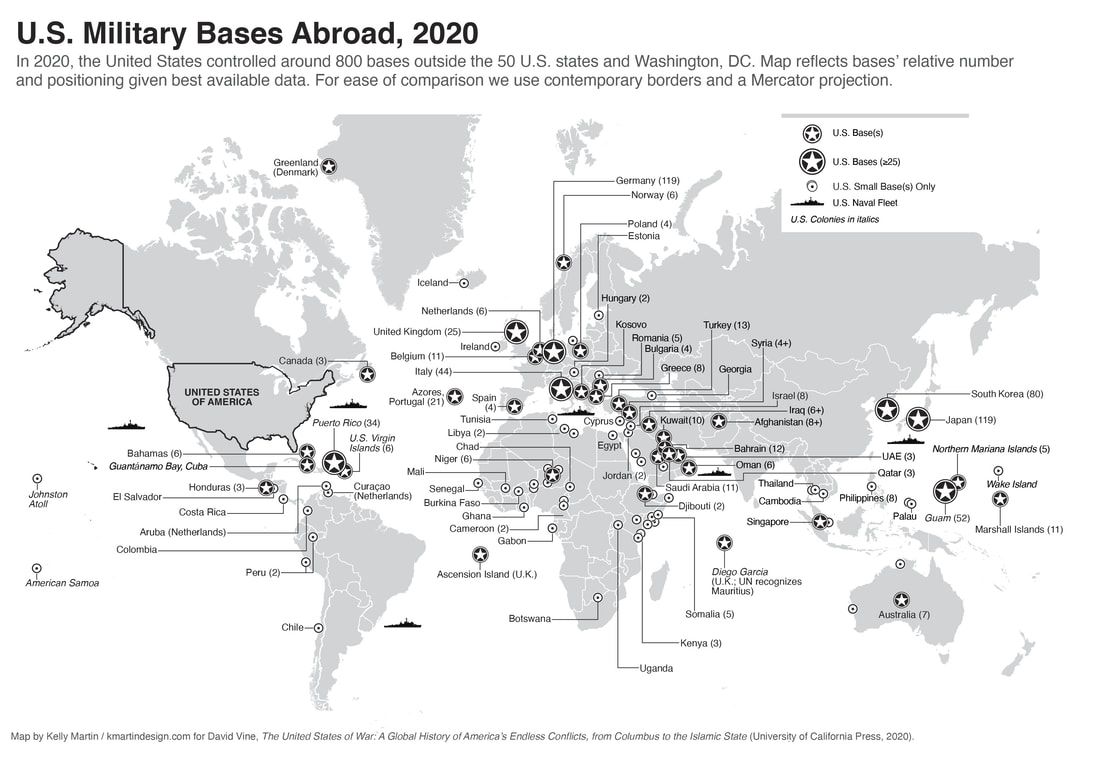
The U.S. military is one of the largest landholders in the world, possessing 90% of all foreign military bases — at least 800 in 80 countries, on every single continent — along with a similar number of bases inside the U.S. Almost all of them have tested positive for carcinogenic forever chemicals like PFAS, and the bomb testing on islands like Vieques in Puerto Rico have led to skyrocketing cancer rates.
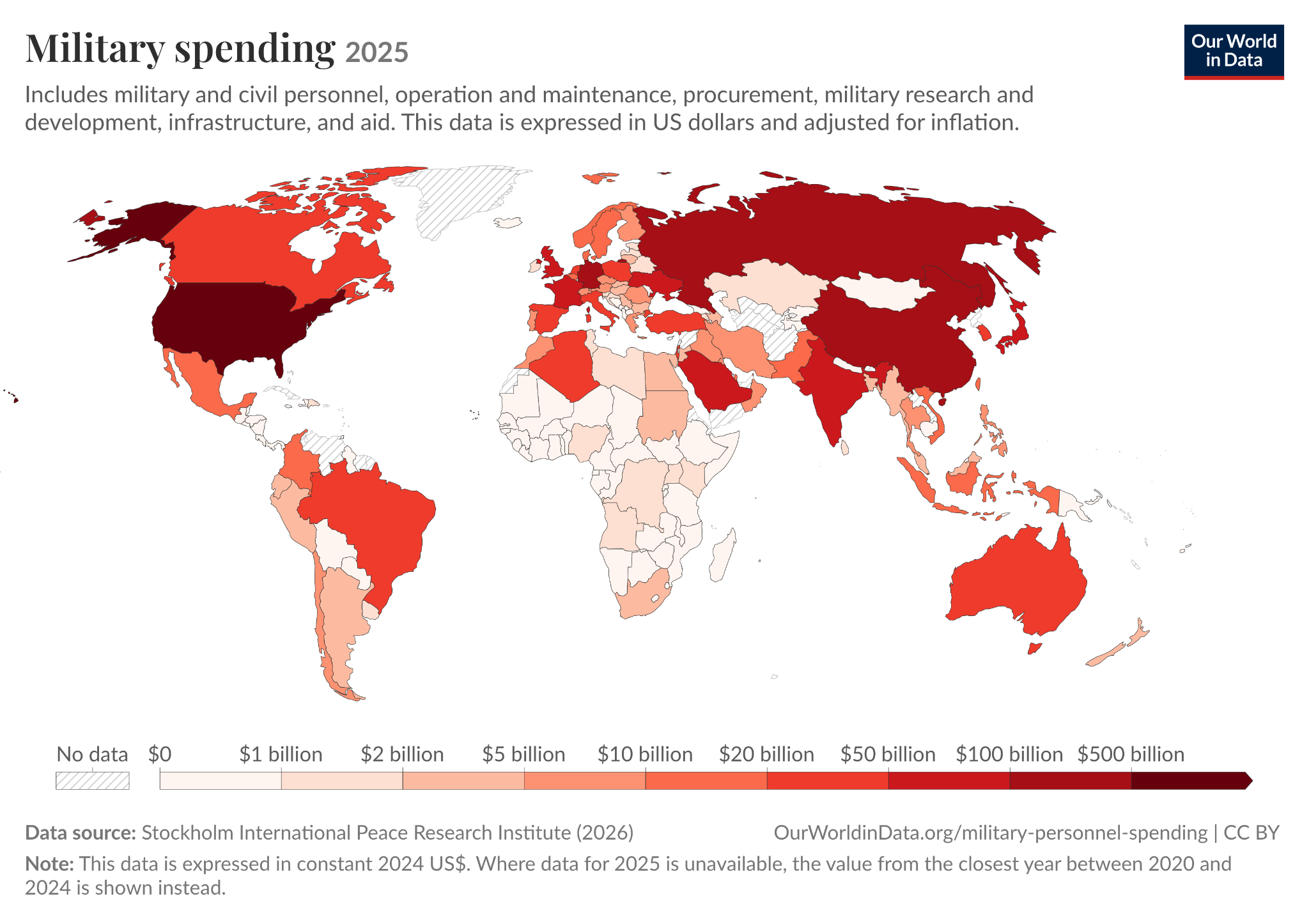
The Pentagon budget is where our struggles to create a just, equitable, and rapid transition and to confront some of the worst elements of climate and environmental destruction globally can meet.
At Climate Week, hyperscale data centers and Artificial Intelligence were a hot topic. Large corporations and even some climate and environmental organizations discussed ways to make data centers more “sustainable”. Others exerted massive grassroots pressure to make sure Big Tech can’t greenwash these poisonous institutions popping up around the country.
This is crucial — but we also need to intervene at the roots. Data centers need resources in the form of oil, minerals, and funding; the Pentagon provides every part of this supply chain. Resource wars, which encompass most areas of U.S. military “interventions,” from Iran to Venezuela to Palestine, supply these resources. The proposed $1.5 trillion Pentagon budget will fund roughly $30 billion for Department of War-owned data centers that escape environmental regulations, and around $58 billion to $100 billion for AI capabilities more broadly. Meanwhile, roughly half of the budget would go to private contractors like weapons and tech companies, most of which are developing their own data centers.
This year, we have an opportunity to intervene. For the first time in decades, there is actual momentum to cut the Pentagon budget. Senate Democrats voted against the $1.15 trillion top-line budget a few months ago. Ed Markey proposed a bill to cut the proposed budget in half. We can and should push through this window of opportunity, because cutting the Pentagon budget would stifle data center production and the fossil fuel industry's enforcement mechanism.
Our long-term work demands a united front against war, militarism, and imperialism. On the heels of this year’s People’s Declaration in Santa Marta and the legacy of historic ones like Cochabamba, we can come together to fight the Pentagon Budget. And in the process, we can build a larger movement against militarism to secure our future on this planet. Popular movements around the world understand that the struggle for land and sovereignty is a struggle for our global survival – which means the climate movement cannot ignore this “Elephant in the Room.” The struggle against U.S. imperialism is essential for the victory of the people and planet. If we can use our momentum from last week to build this mass movement, Climate Week can be something to celebrate.
Note: This piece is inspired by previous articles I have written that lay out some of these arguments in further depth, including pieces on the history of CODEPINK’s War Is Not Green Campaign, the argument to Cut the Pentagon for the planet, and the role of data centers and the War Economy.
__________________________________________
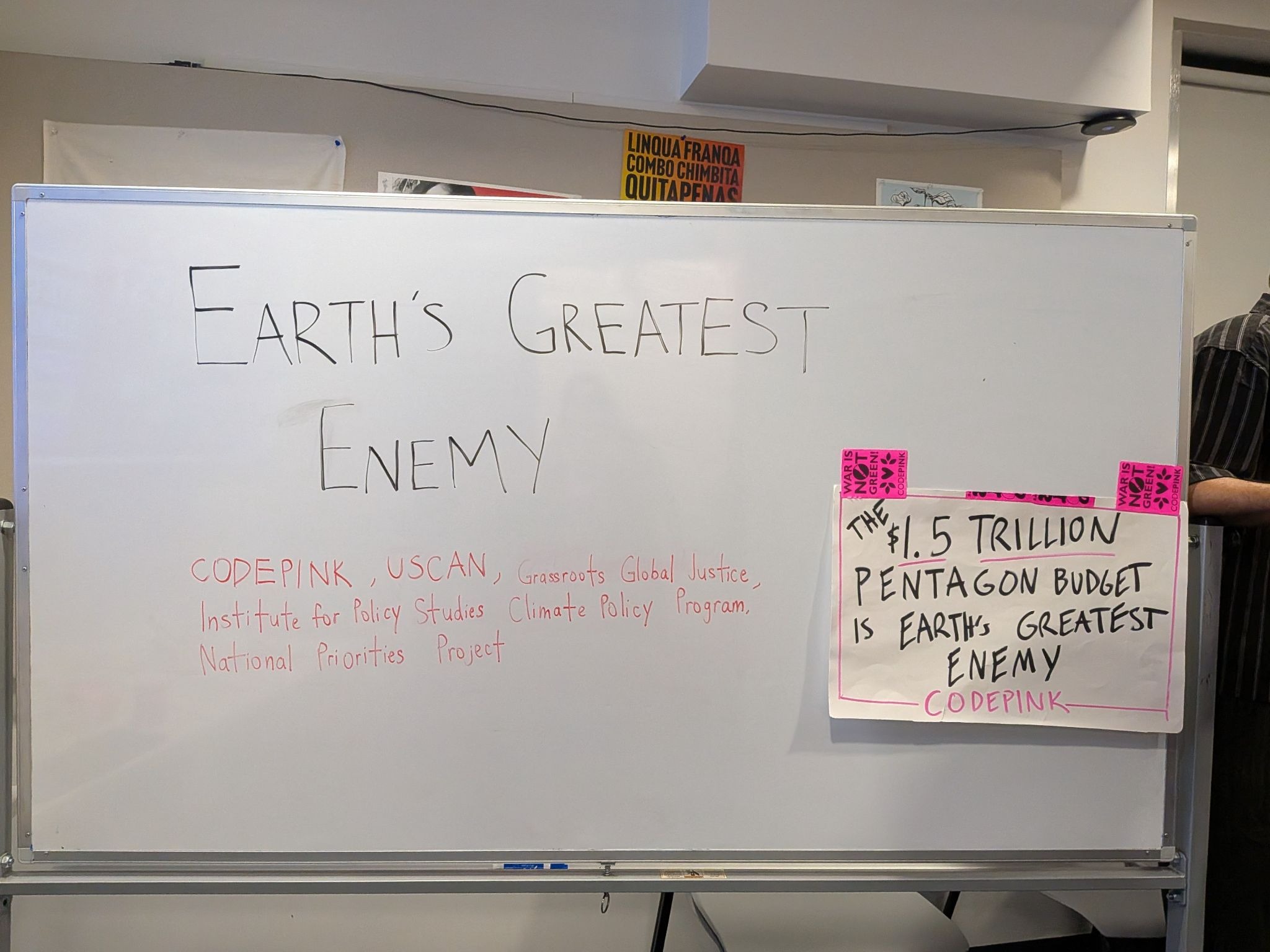
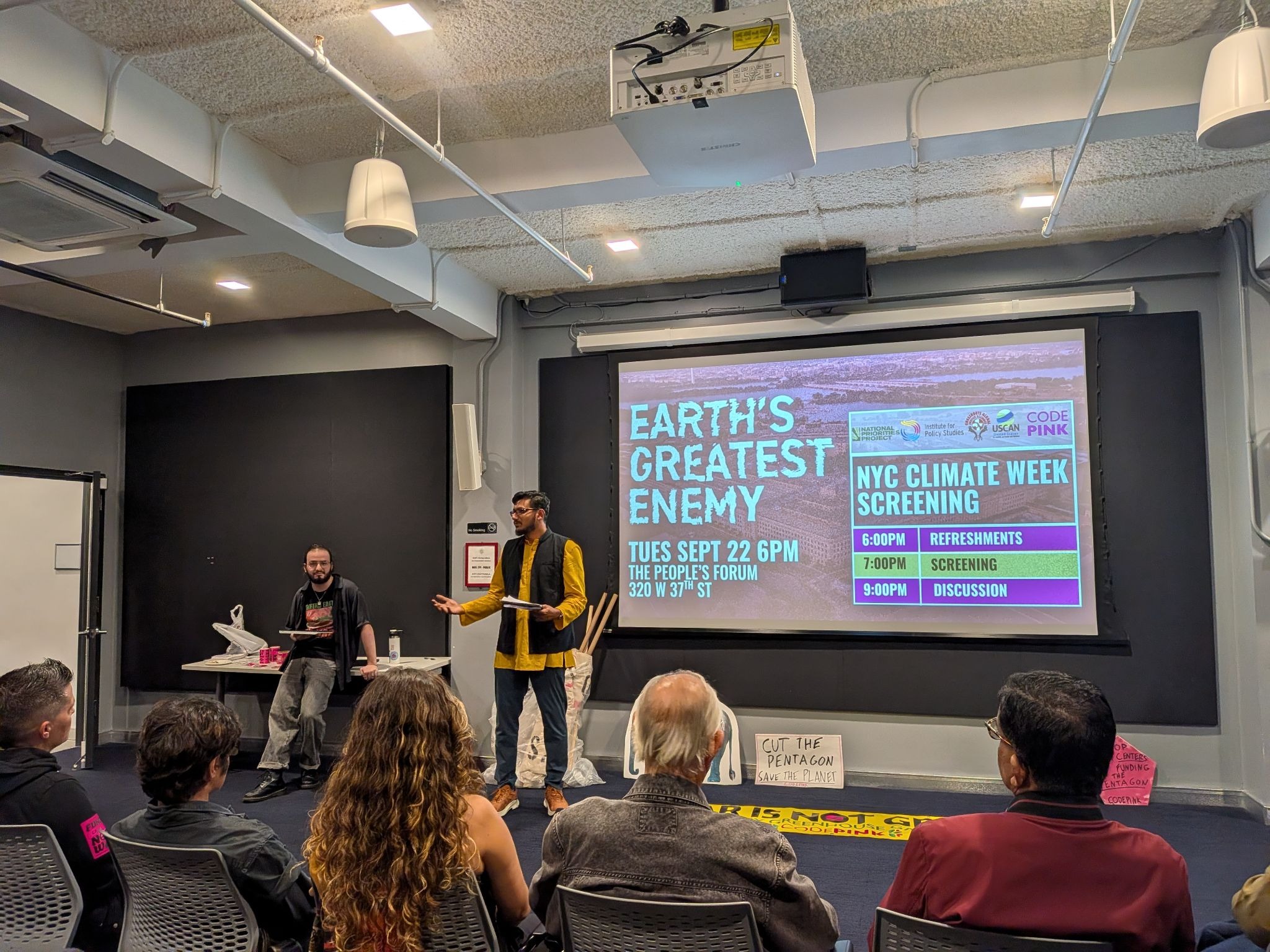
At NYCW 2026, CODEPINK and USCAN co-hosted a screening of Earth’s Greatest Enemy along with Grassroots Global Justice, the Institute for Policy Studies Climate Policy Program, and the National Priorities Project. Learn more about the film here!






.jpeg)
.avif)