.jpeg)
How long could you go without power?
No refrigerator or hot food; no Internet; no way to charge your phone. No air-conditioning in the summer heat.
A few hours? A day?
What about two weeks?
On August 11, a severe thunderstorm swept through northwest Indiana, causing deadly floods and knocking out power to more than 370,000 people. In Gary, Indiana, residents went nearly two weeks without electricity.
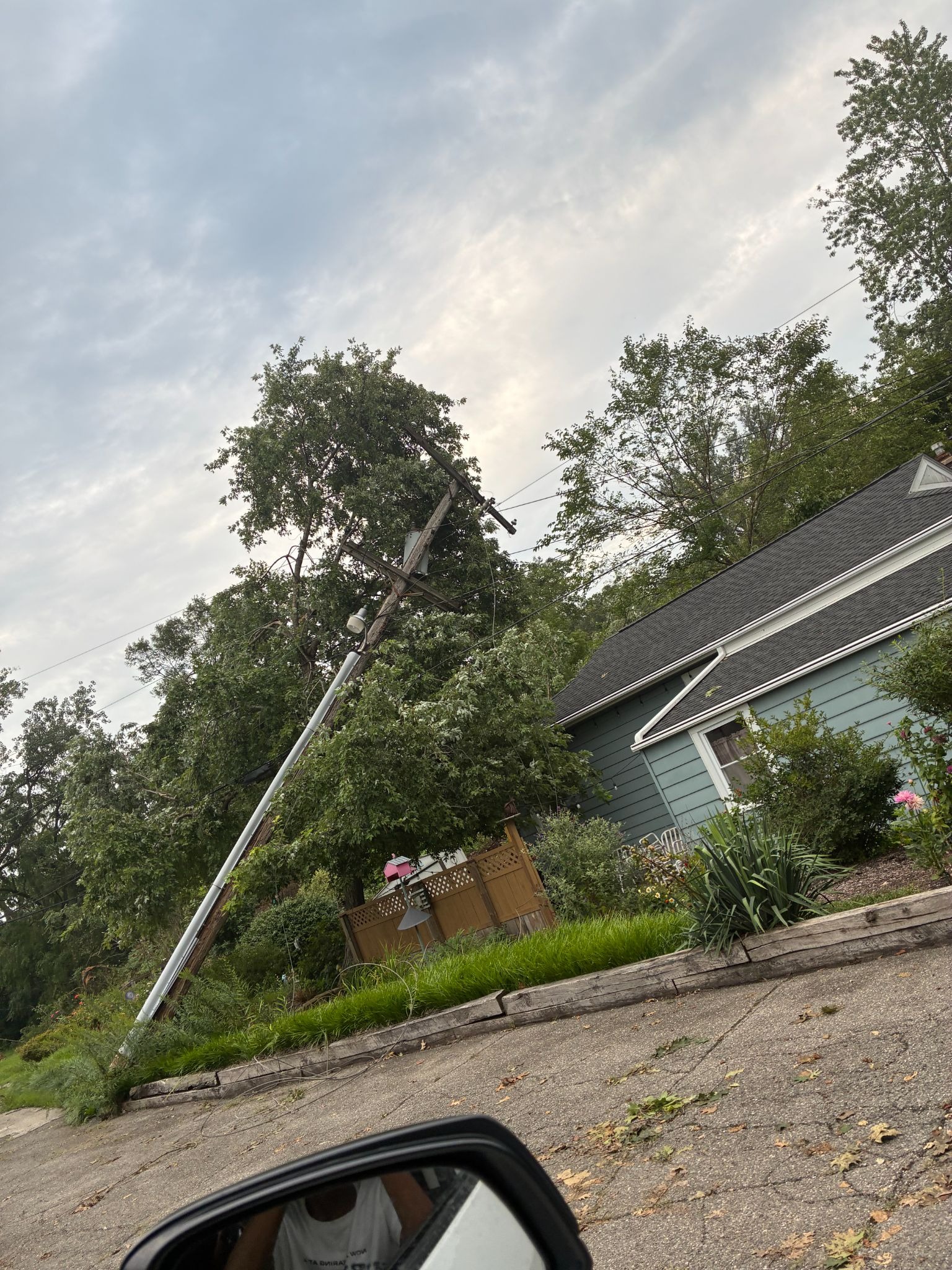
At USCAN’s recent policy call (held weekly), we invited Lori Latham, a Gary native and City Councilwoman, to tell us what those two weeks looked like for her family and neighbors. Here are some things we learnt:
Lori is a third-generation Gary resident, raised in a city shaped by workers’ rights, Black empowerment, and social justice. In 1967, Richard G. Hatcher was elected mayor, becoming one of the first African American mayors of a major U.S. city. Five years later, Gary hosted the First National Black Political Convention, bringing thousands of people together to build Black political power.
The storm itself did not distinguish between rich and poor, Black and white. But how residents experienced its aftermath has been profoundly unequal.
Gary is a majority-Black city, with roughly one-third of residents living in poverty. Decades of disinvestment and aging infrastructure meant many families had little cushion when the power went out.
Lori’s 91-year-old father told her he had never seen damage like this in Gary; an 88-year-old neighbor said the same. Lori’s own family went 13 days without power.
Families lost food they could not afford to replace, and many seniors struggled to keep essential medications refrigerated. People dependent on CPAP machines and other medical equipment had to figure out how to keep themselves safe. One 80-year-old disabled veteran in Lori’s neighborhood went five days without a hot meal.
The words “unprecedented” and “unpredictable” are beginning to lose meaning as communities like Gary experience severe disruptions with increasing frequency. How do we prepare for what we already know is coming? (And, for many, what has already come?)
Even as we advocate for state and federal resources to actually reach the communities that most need them, Lori offered a sobering reminder: “No one is coming to save us.” Resilience, then, means investing in resilient infrastructure now: building community resilience hubs, and strengthening the local organizations that plug the gap when disaster strikes.
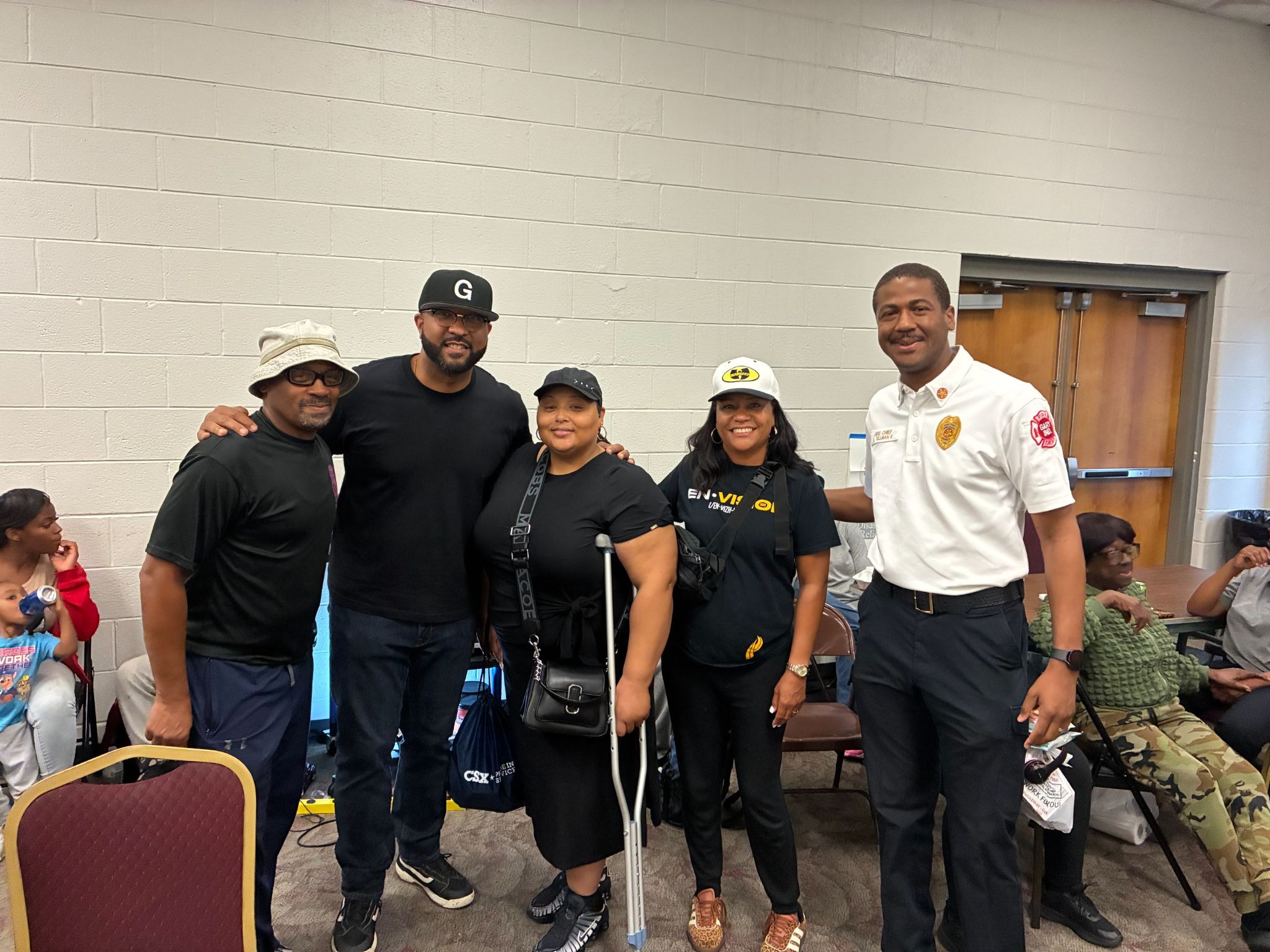
That was Lori’s message when we asked how the climate community could best support Gary.
Share their stories in your networks; highlight Gary in your research and advocacy. Connect local leaders and organizations to resources for resilience. Help make sure Gary’s experience informs the policies and investments that shape what comes next.
The lights in Gary may be coming back on – but our work is to make sure that when the next storm hits, no community is left to weather it alone.
USCAN member Black Sun Light Sustainability, in collaboration with the Gary NAACP, will deliver 100 gift cards to Hoosiers impacted by the power outages and flooding. Help them give more by donating here.
Special thanks to Lori Latham and Denise Abdul-Rahman for contributing to this piece.





.avif)