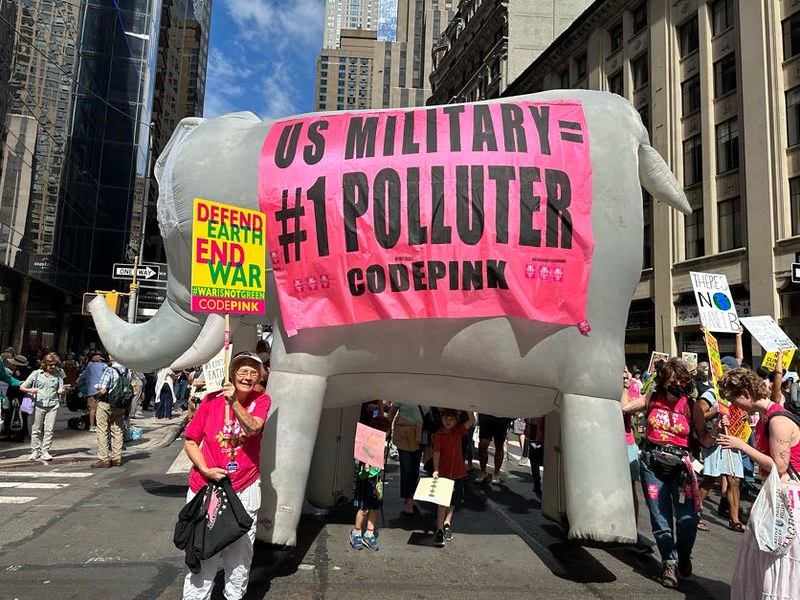
Rising global temperatures fed by increases in atmospheric carbon levels are resulting in more frequent and intense heatwaves, droughts, wildfires, floods and storms. The impacts of climate catastrophes disproportionately burden marginalized communities who have historically contributed the least to the crisis, exacerbating existing inequalities. Despite decades of work among organizations to slow, and eventually reverse, global warming, the problem persists.
Fortunately, there is a solution.
The power to drive a just transition from fossil fuels to clean energy lies in collective action.
And, collective action works best when it is united, built upon strong relationships and strategic alignment, and supported by indispensable infrastructure that fosters capacity and connectivity among local leaders to drive systemic change faster and more equitably than any one group alone.
That is the role, and value, of the U.S. Climate Action Network.
We are relationship champions, strategic aligners, impact amplifiers, and capacity builders.
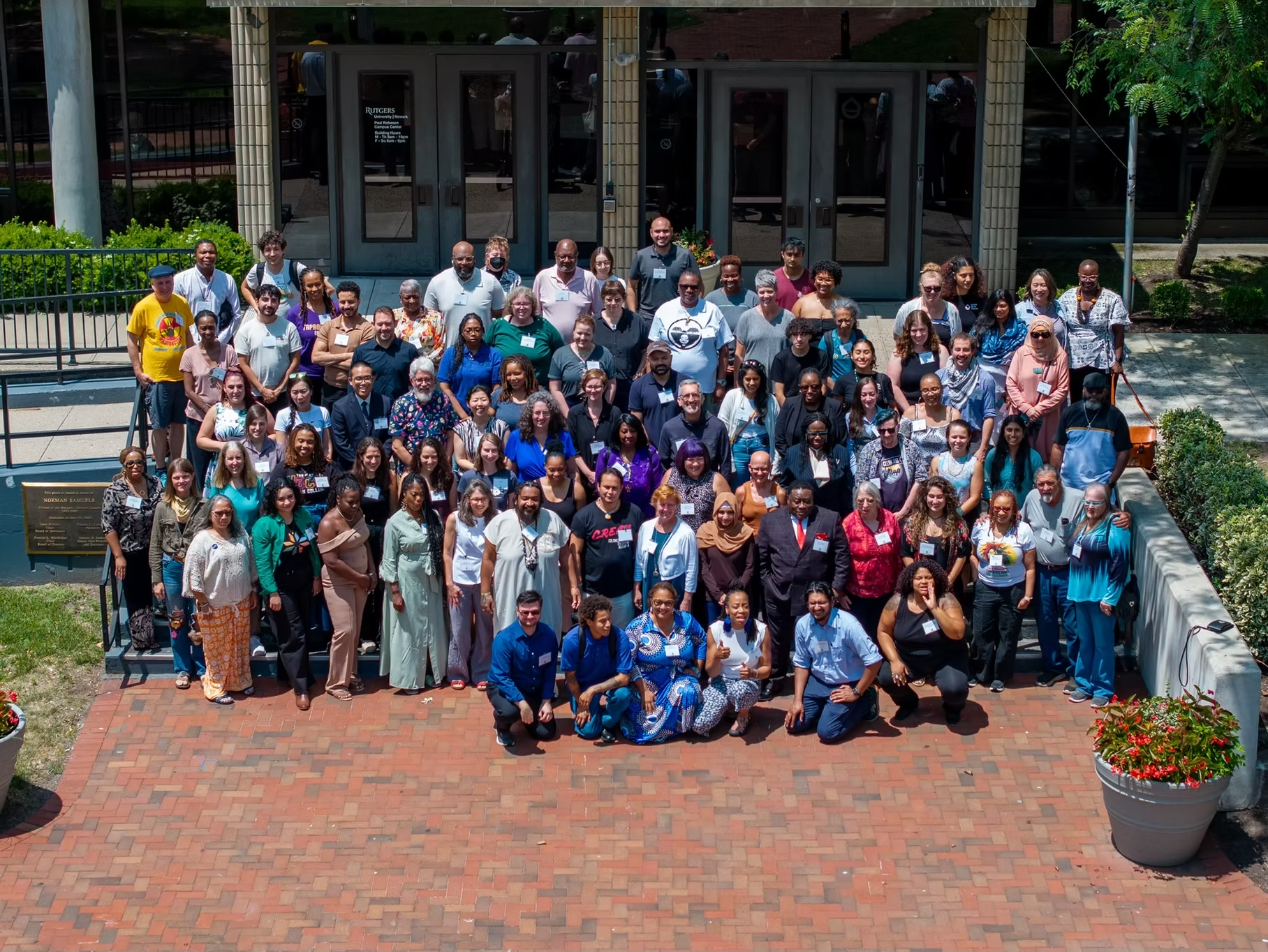
We are a critical connection point and catalyst for a diverse and powerful network of 175+ organizations.
We are an essential mechanism for a durable, aligned, and ultimately successful climate movement.
We are the U.S. Climate Action Network. Together with our members we are driving bold and equitable climate action by accelerating collective impact from the local level to the global scale.
🔗 Learn more and join us at usclimatenetwork.org.





.jpeg)