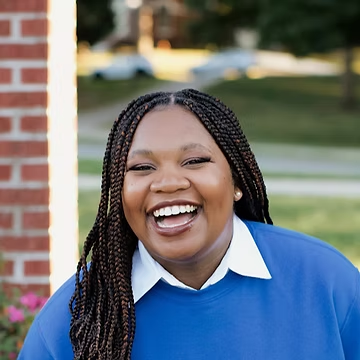
Hello! I’m MacEva, a second-year Master of Environmental Management student at Duke University. In 2025, I joined the Rachel Carson Council (RCC) as a Presidential Stanback Fellow and Presidential National Environmental Leadership Fellow. As a continuation of this work, I am joining the RCC for their annual Advocacy Days. Advocacy Days is a three-day event where students from across the U.S. come together on Capitol Hill to advocate for climate action and environmental justice.
In late March, I found myself walking the streets of Washington, D.C., yet again. This time, I wasn’t back as an excited undergrad on a school trip or even as an environmental fellow for the Rachel Carson Council. Instead, I was a Hill Guide for Advocacy Days.
The Rachel Carson Council’s (RCC) Advocacy Days felt both familiar and entirely new, like a return to a space I had grown into last summer, and a step forward into a leadership role I hadn’t yet inhabited.
My journey to Advocacy Days didn’t just begin this spring. It had been unfolding over the years through my undergraduate research in Costa Rica and on Sapelo Island, through a vibrant gap year as a seasonal research assistant at Grand Canyon National Park, and through my continued academic work at Duke. Each of those experiences shaped how I think about environmental stewardship: a scientific and human-driven approach rooted in community, access, and justice. When I first joined RCC as a Presidential Standback Fellow (and later as a National Environmental Leadership Fellow), I was drawn to their clarity of purpose. One thing about RCC is that they don't just talk about change – they show you how to pursue it. Advocacy Days felt like a natural continuation of that path.
Something that stood out to me immediately upon my arrival was how intentional the preparation process was. The day before our Hill meetings, student participants from all across the country gathered as a large group, each bringing different experiences and a shared commitment to environmental advocacy. Over some fine D.C. pizza and fellowship, the RCC team walked us through their mission and the specific policies we’d be addressing. We discussed issues like the dangers of large-scale pesticide use and the environmental and community impacts of the wood pellet industry in the Southeast.
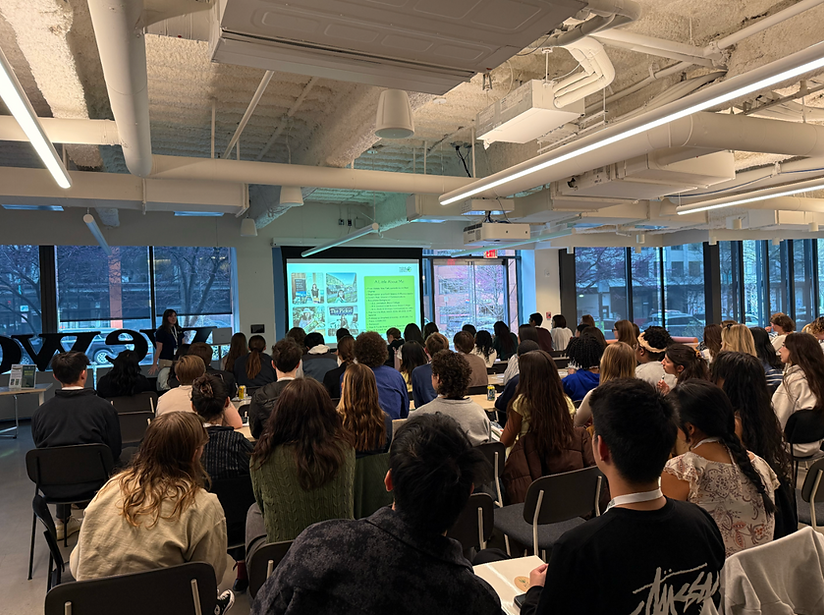
From there, we broke into smaller groups, and that’s where things really came together. As a Hill Guide, my role was to help students find their footing as lobbyists. We talked through strategies, practiced framing our arguments, and thought carefully about how to tailor our conversations to different lawmakers. By the end of the session, what could have felt intimidating instead felt collaborative. There was a sense that we were ready, not because we had all the answers, but because we trusted each other to navigate the conversations ahead. Meeting with lawmakers is always a mix of emotions, and this year was no different. On one hand, it felt natural. I had been in these spaces before, and I knew how to carry myself, how to speak with intention, and how to listen. On the other hand, stepping into the role of a Hill Guide added a new layer of responsibility.
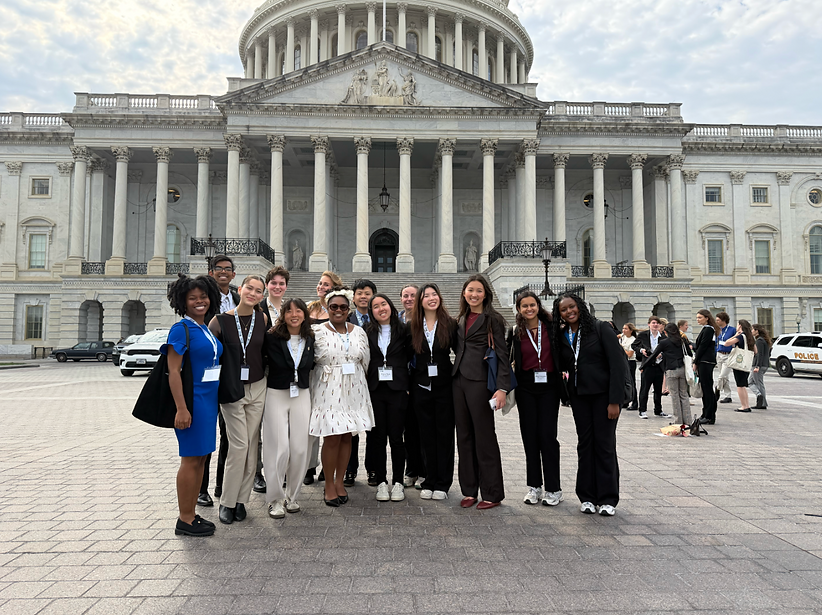
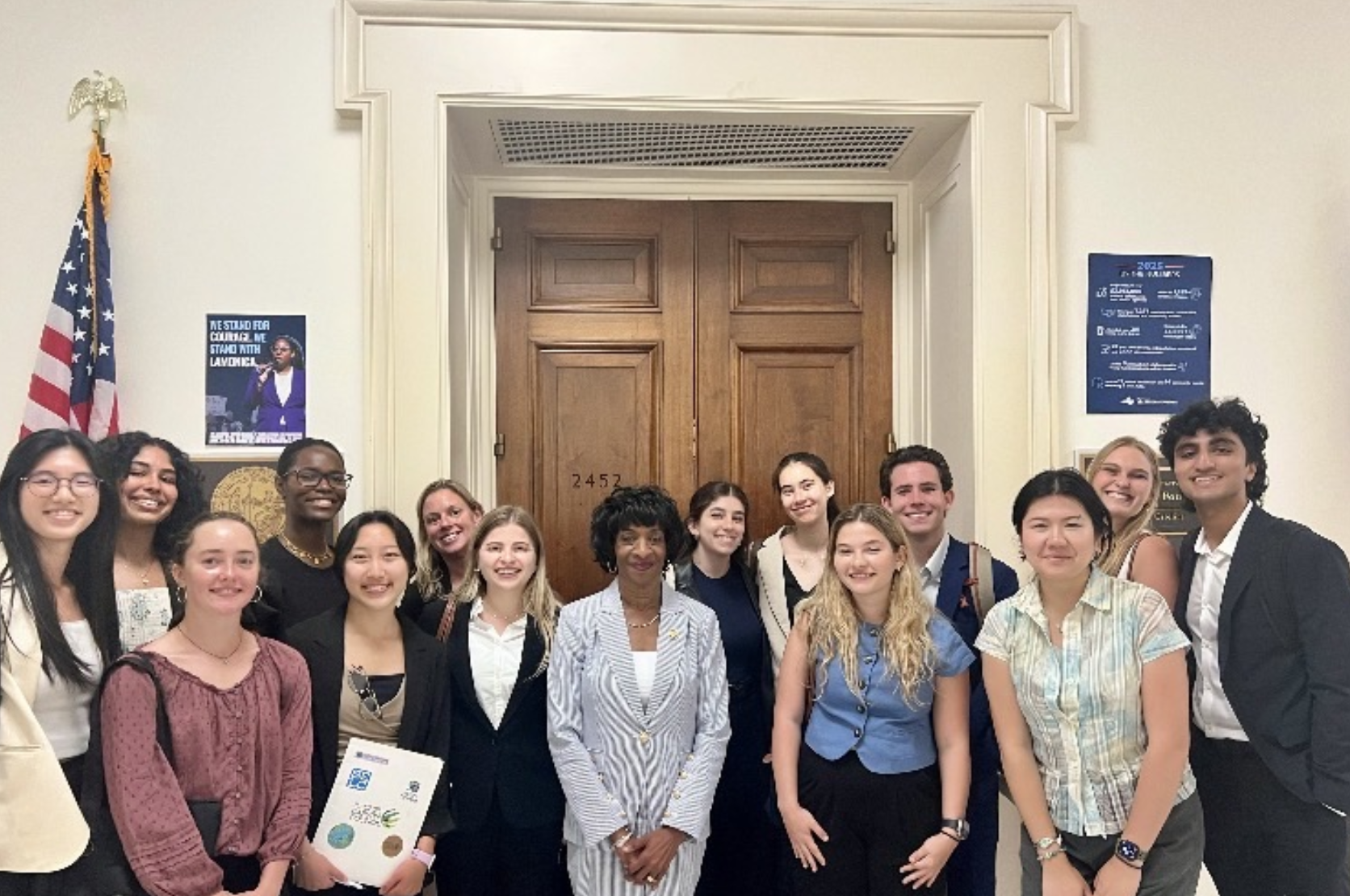
One of the more memorable moments was meeting with Congresswoman Virginia Foxx (R-NC5) of North Carolina. Our group came prepared to discuss RCC’s priorities, knowing that we might not agree on every issue. And we didn’t. But the conversation itself was respectful and substantive. She listened to our perspectives, asked questions, and engaged with our concerns in a way that felt genuine. We may not have shifted her stance, but that wasn’t the only measure of success. Being in the room and having that dialogue mattered. After our meeting, we had the opportunity to accompany her to the Chamber of the House and observe part of a voting session on the highly controversial bill, the Safeguard American Voter Eligibility (SAVE) Act. It was a brief moment, but an impactful one. It’s easy to think of policymaking as something distant or abstract. Sitting there, watching it unfold in real time, made it a bit more tangible.
As I returned to Duke, I found myself reflecting less on any single conversation and more on the collective experience. Advocacy Days reinforced something I’ve been learning over time: effective advocacy isn’t just about passion. It’s about showing up, even when the outcome is uncertain, and trusting that the act of engagement itself has value. That lesson feels especially important right now. The current political climate can feel (and has felt) overwhelmingly hostile to science and to diverse voices. There are moments when it truly is hard not to feel discouraged. Truthfully, I’ve had those moments. I think anyone who cares deeply about this work has. But what keeps me going is a belief (maybe a hopeful one, maybe even a romantic one) that there is still a deep well of goodness in people.
Advocacy Days reminded me of that. It was the students who showed up ready to learn and lead. It was in the conversations that, even when they didn’t end in agreement, they were still grounded in respect. And it was in the broader network of individuals and organizations who continue to push for change.
This experience didn’t just reaffirm my commitment to environmental advocacy—it sharpened it. It reminded me that this work isn’t about immediate wins. It’s about building relationships, creating space for dialogue, and staying engaged, even when it’s difficult.
And maybe most importantly, it reminded me that none of us are doing this alone.
MacEva is a second-year Master of Environmental Management student at Duke University, concentrating in Coastal and Marine Systems (CaMS) and Community Engagement and Environmental Justice (CEEJ). In the summer of 2025, she joined the Rachel Carson Council (RCC) as a Presidential Stanback Fellow and Presidential National Environmental Leadership Fellow. In both roles, she contributed to the RCC’s Ocean Observer, translating science and policy into accessible stories about our Earth’s oceans. As a continuation of this work, she is joining the RCC for their annual Advocacy Days.




.jpeg)